Kitchen & Pantry Organization in Biltmore Forest
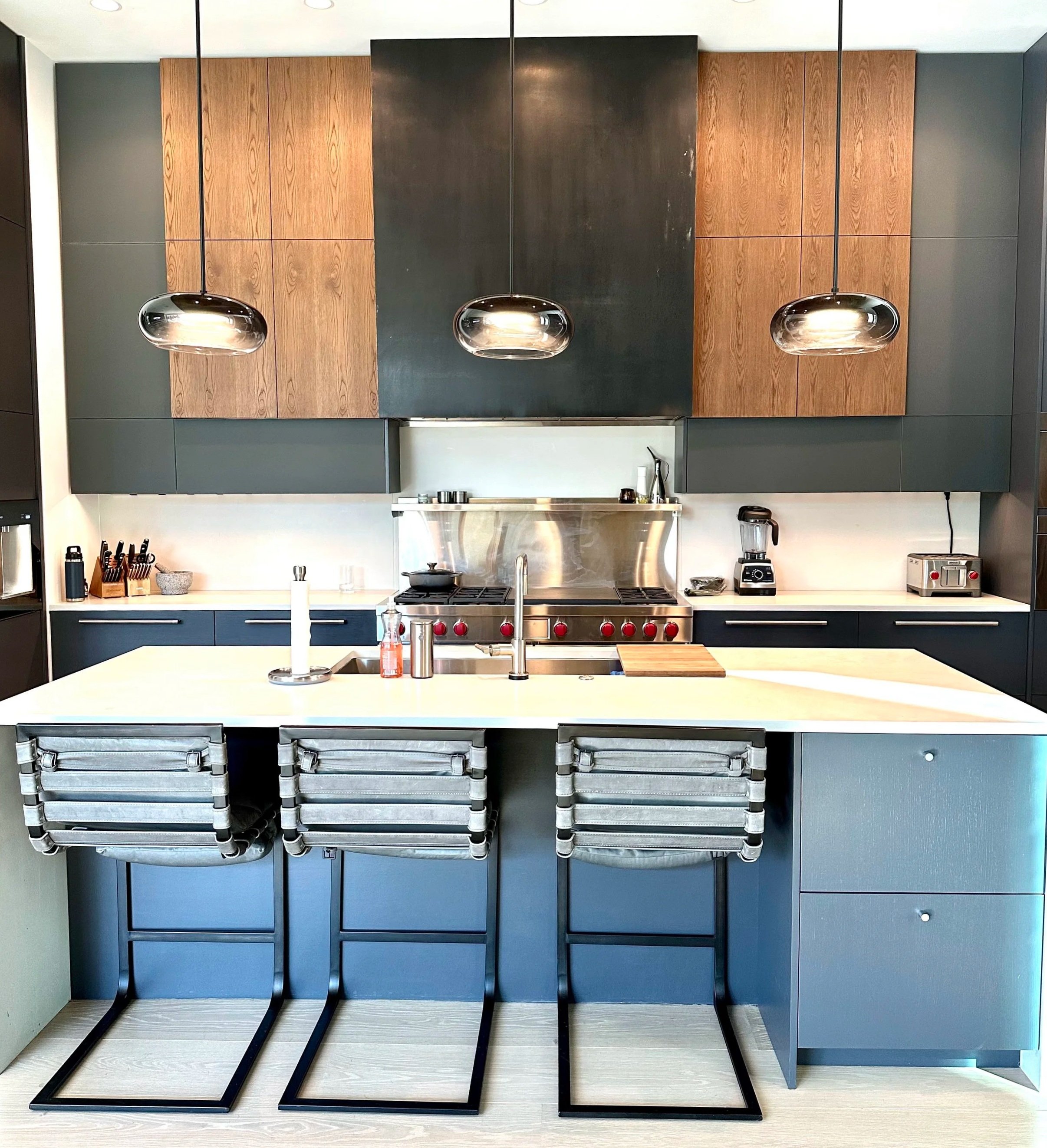
It started with a feeling most people know, do you ever walk into your kitchen and feel like it should be working, but somehow it’s not? That was exactly where this client started. Their home in Biltmore Forest was beautiful. The kitchen was spacious, with soaring 20-foot cabinets and a full pantry. On paper, it had everything you’d need. But in real life? Cooking felt harder than it should. Finding ingredients took longer than expected. And no matter how often they tried to reset things, it just didn’t seem to stick. This wasn’t a clutter problem. It was a systems problem.
Meet the Homeowners
This home is shared by two busy professionals, two pets, and a full calendar. They love to entertain friends, family, colleagues but like many of our clients, they didn’t have the time or energy to step back and fully rethink how their space was functioning. So instead, they were doing what most people do making it work just enough. But “just enough” starts to feel exhausting over time.
TL;DR
The biggest issue wasn’t “too much stuff”—it was misaligned zones
We reorganized based on frequency of use (daily → once-a-year items)
We created clear, labeled systems in both the kitchen and pantry
The result: less food waste, smoother cooking, and a more enjoyable space to gather
What Was Actually Happening Day-to-Day
When we walked the space, a few things became clear almost immediately. Not in a dramatic way but in that quiet, familiar way so many kitchens fall into. The biggest issue wasn’t volume. It was placement. Items were stored wherever there was room not where they made sense. Cooking essentials were spread out. Pantry categories blended together. Everyday items were mixed in with things used once or twice a year. So even simple tasks took more effort than they should.
The Height of the Cabinets Was Working Against Them
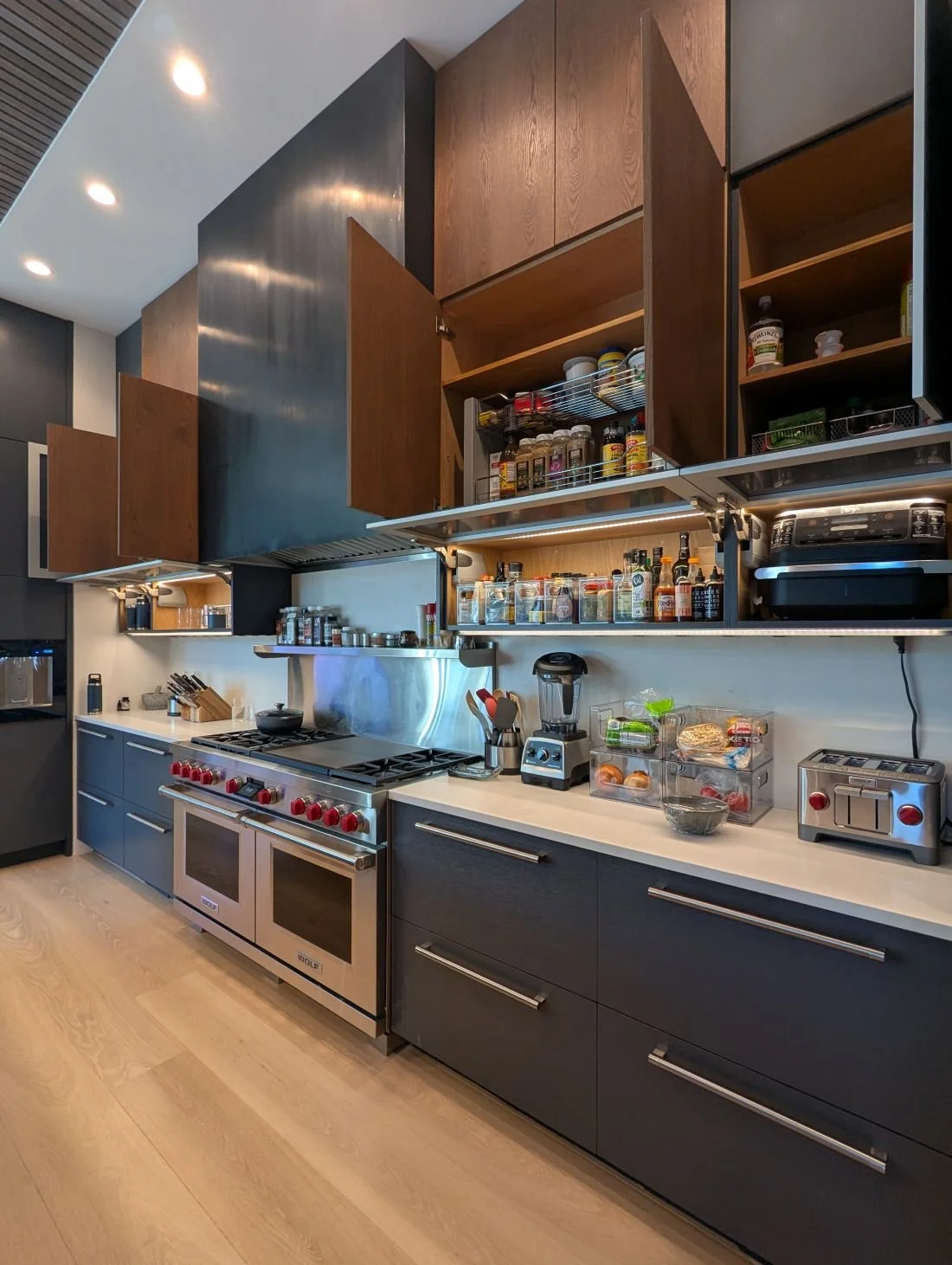
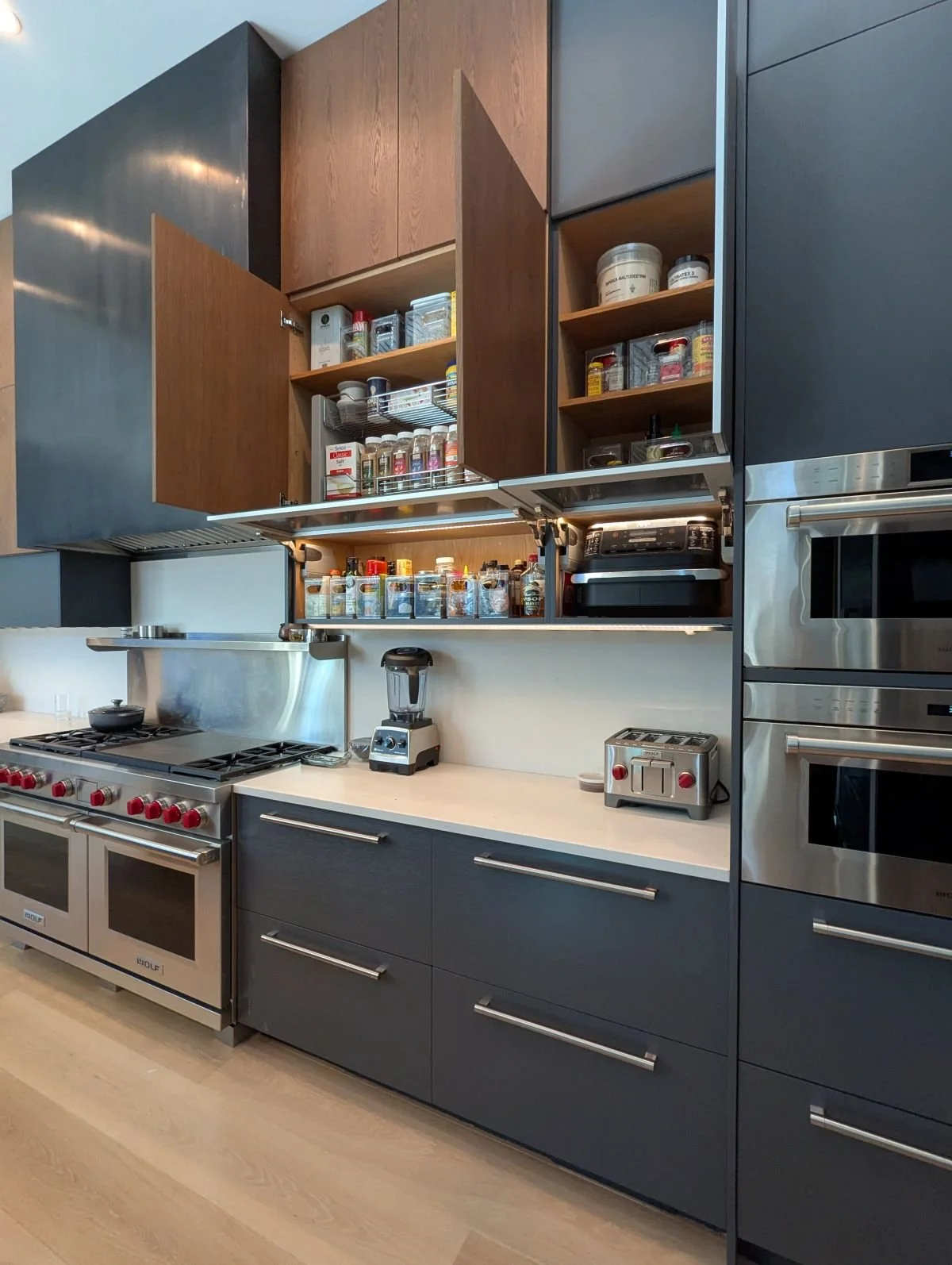
With 20-foot cabinets, there was plenty of storage, but not all of it was usable in a practical way. All of their items were in the lower cabinets and they were using all of the items. The solution was to spread out and use the space so the cabinets and drawers did not feel compacted. “If I Can’t See It, I Don’t Know I Have It” This was a big one. To compensate, things started living on the counters just to stay visible. Not because they wanted clutter. But because there was friction in the cabinets and drawers. Ingredients were lost, inventory felt unclear and grocery shopping became guesswork.
The Pantry Felt Full… But Not Functional
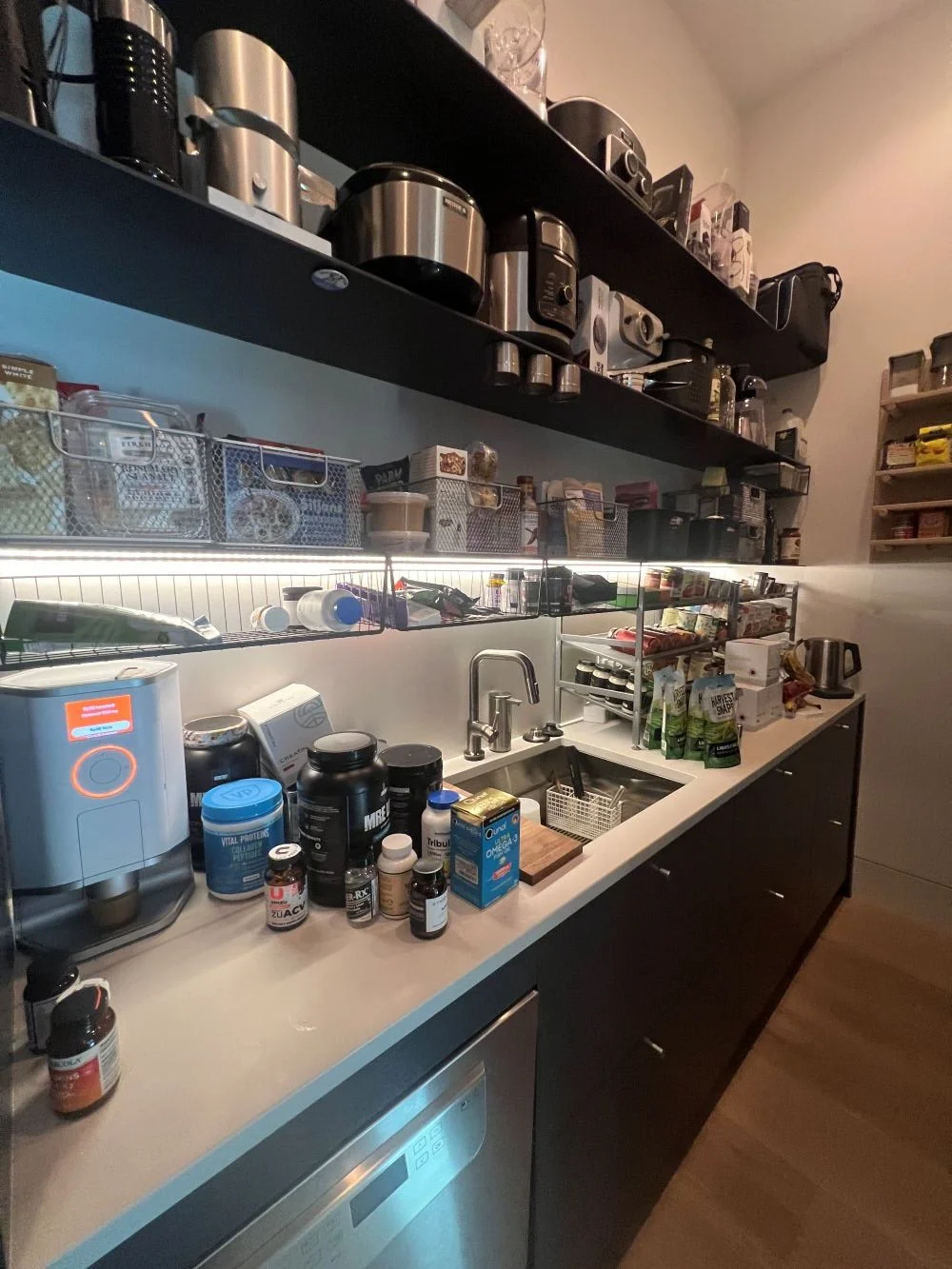
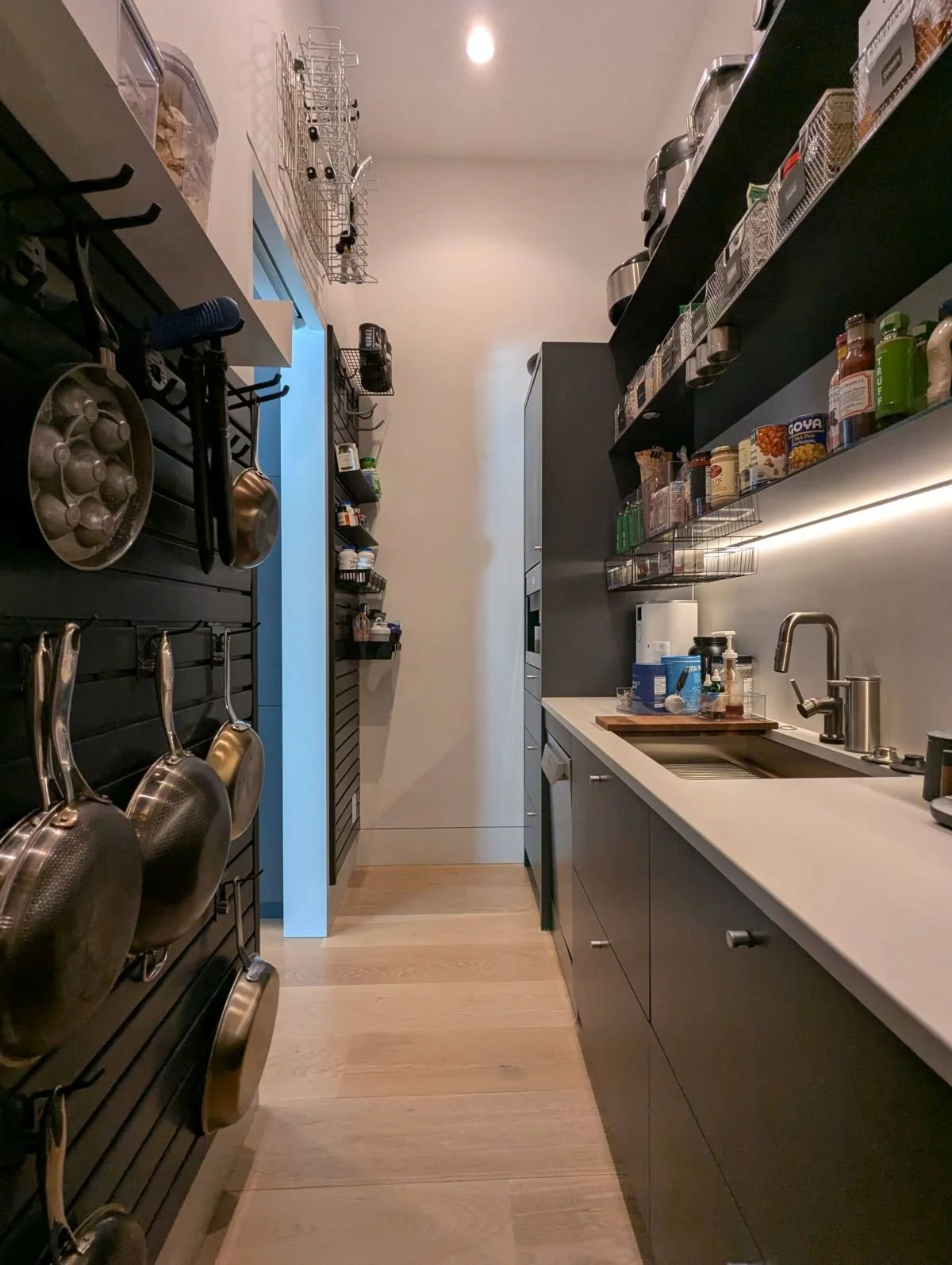
The pantry had space but not structure. Without clear containment or categories: zones weren’t defined and resetting after grocery trips felt overwhelming So it slowly became a space that added stress instead of reducing it. What they really wanted was not perfection or Pinterest. They wanted for cooking to feel enjoyable again, a kitchen that flowed naturally and to know what they had without digging or guessing. Most importantly, yhey needed a system that would hold up in real life, even during busy weeks.
Our Approach: Organizing Around Real Life
We didn’t start with bins. We started with how they actually live. Because the goal wasn’t just to make it look better. It was to make it work better.
Step One: Reimagining the Kitchen in Zones That Make Sense
Instead of organizing by cabinet, we organized by function and frequency. We broke the kitchen into four simple categories: Daily use, Often used, Entertaining, Rarely or once-a-year. This changed everything. After rezoning the things they use every day were within easy reach. The items they rarely use moved out of the way. And the entire kitchen felt more intuitive. No second guessing. No overthinking.
Step Two: Giving the Pantry Structure
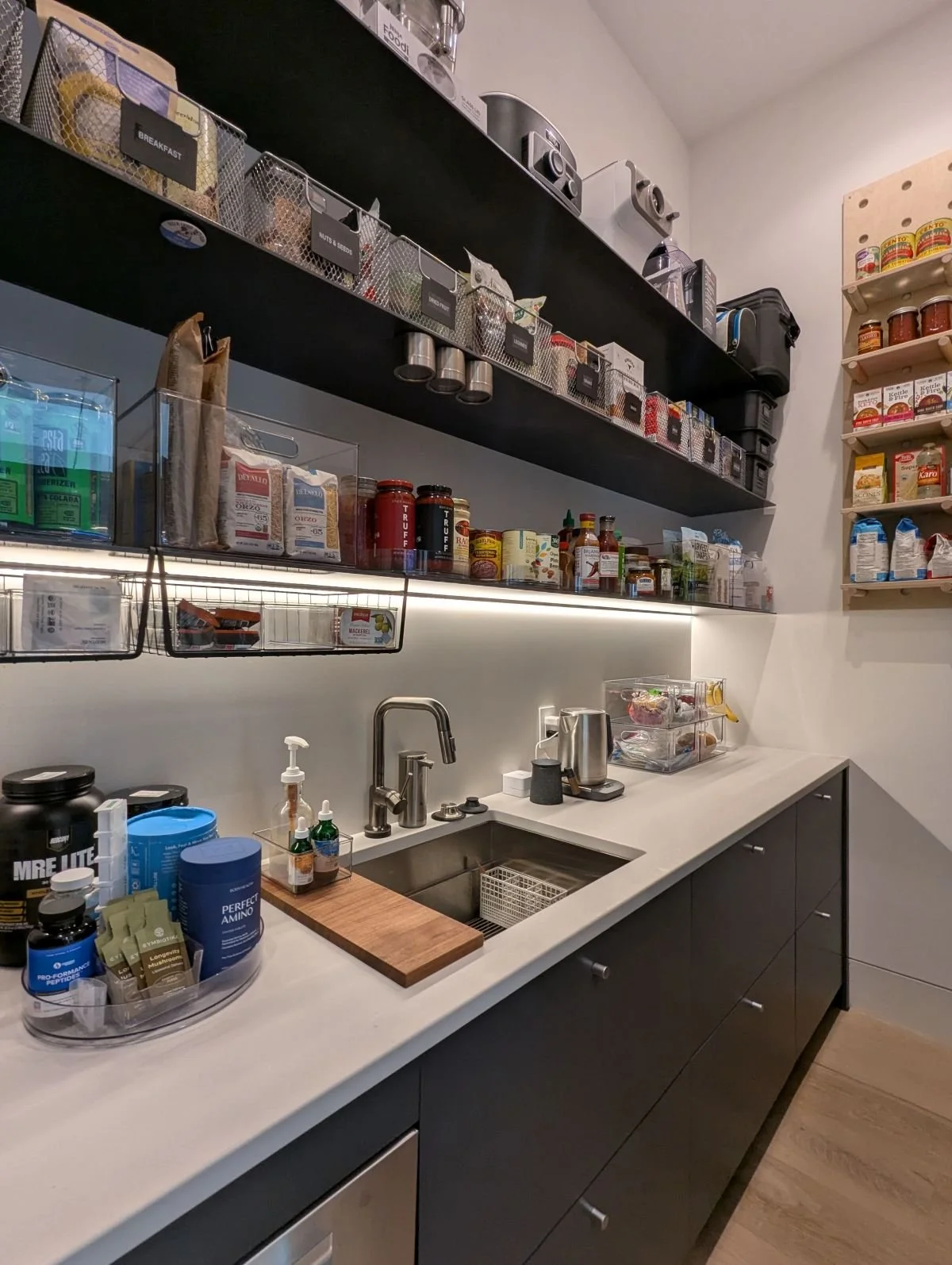
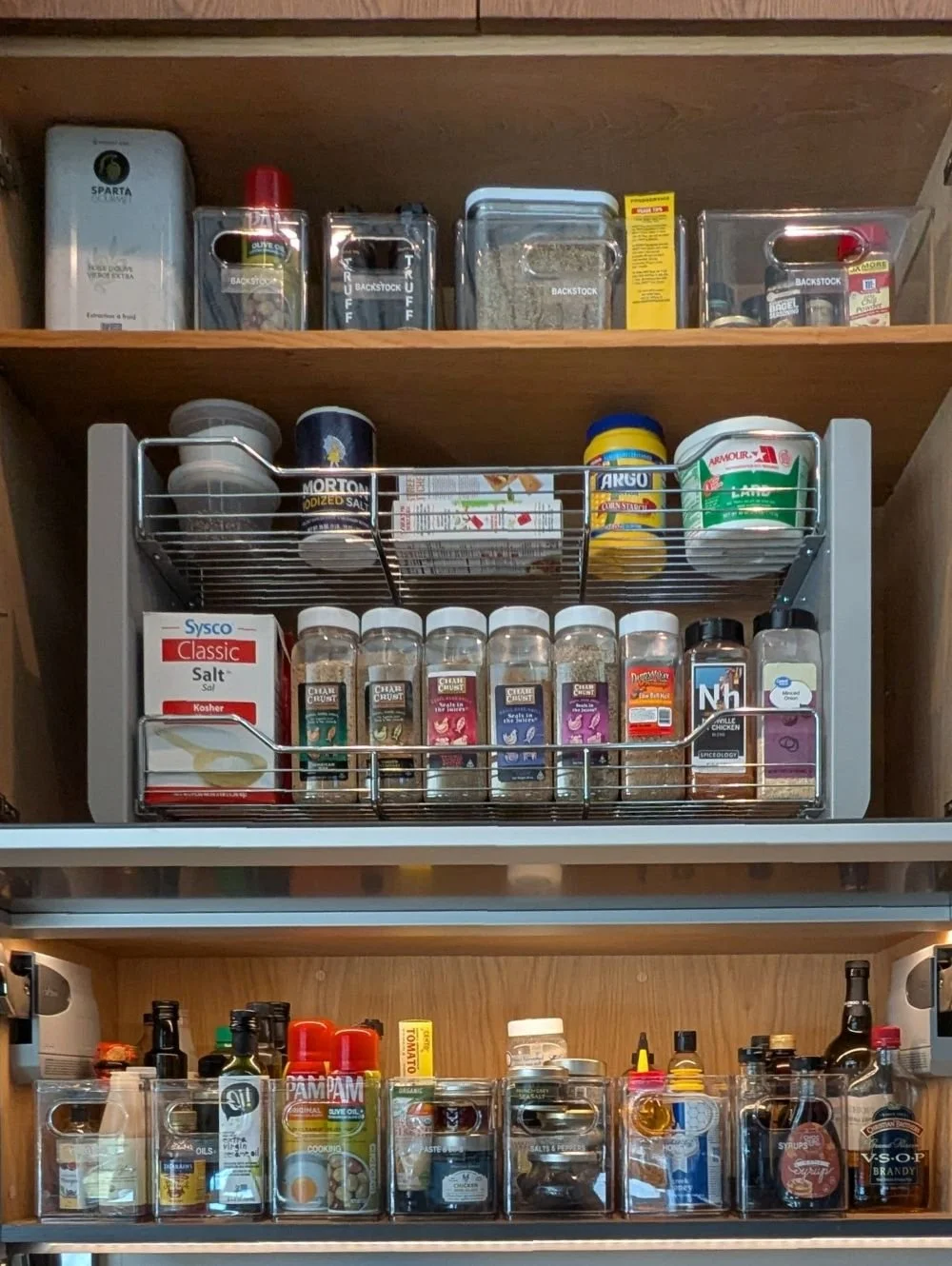
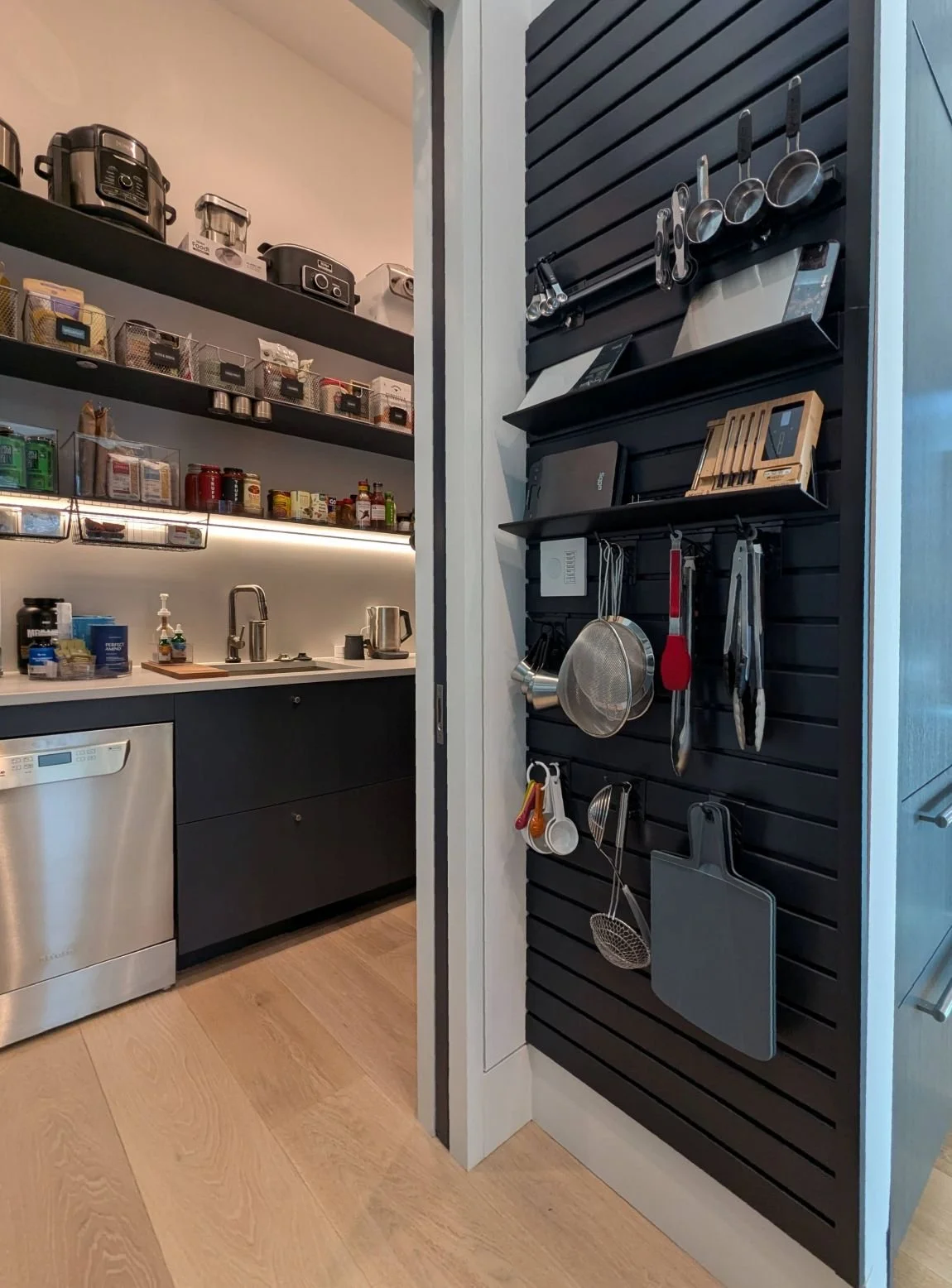
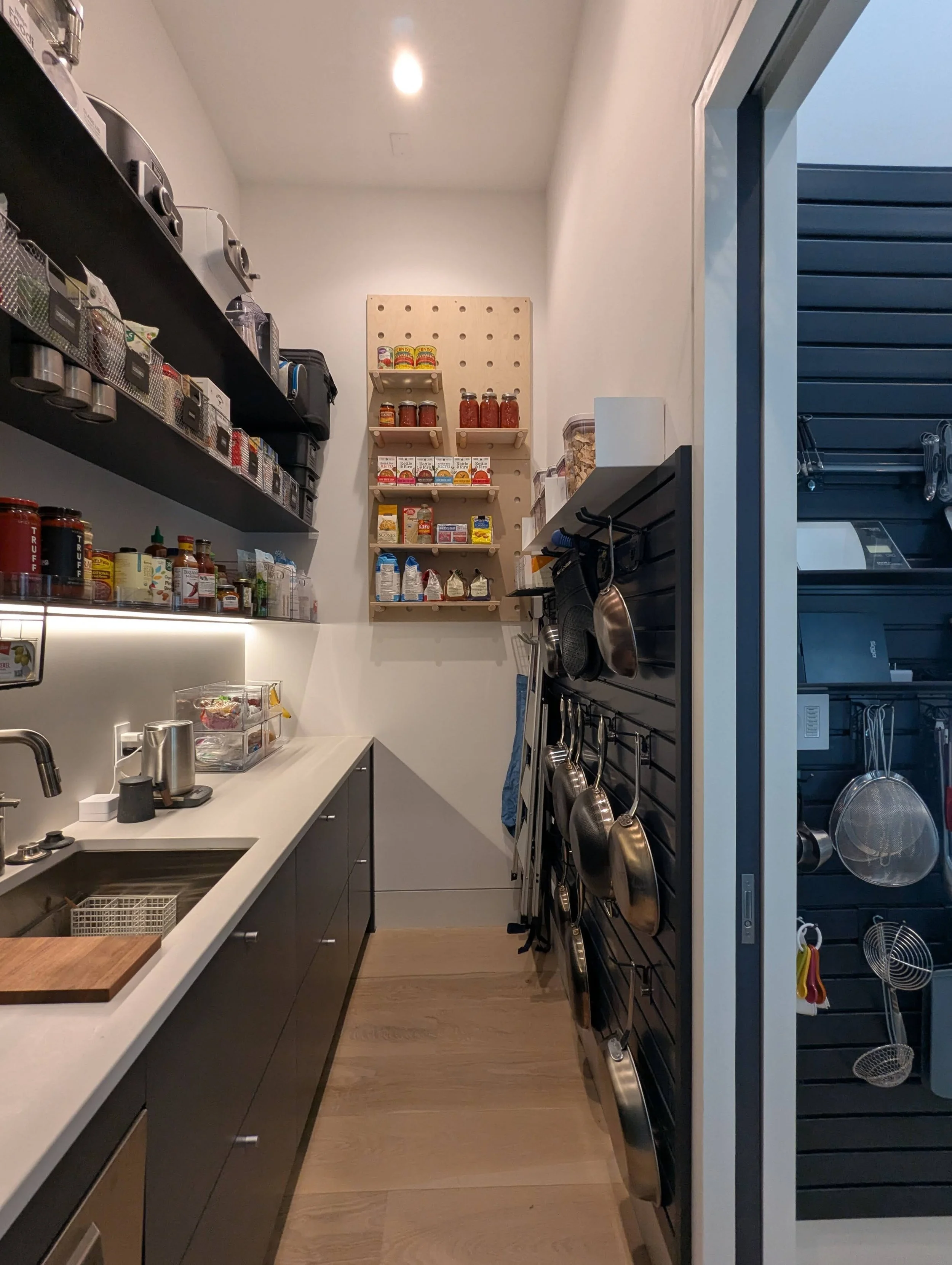
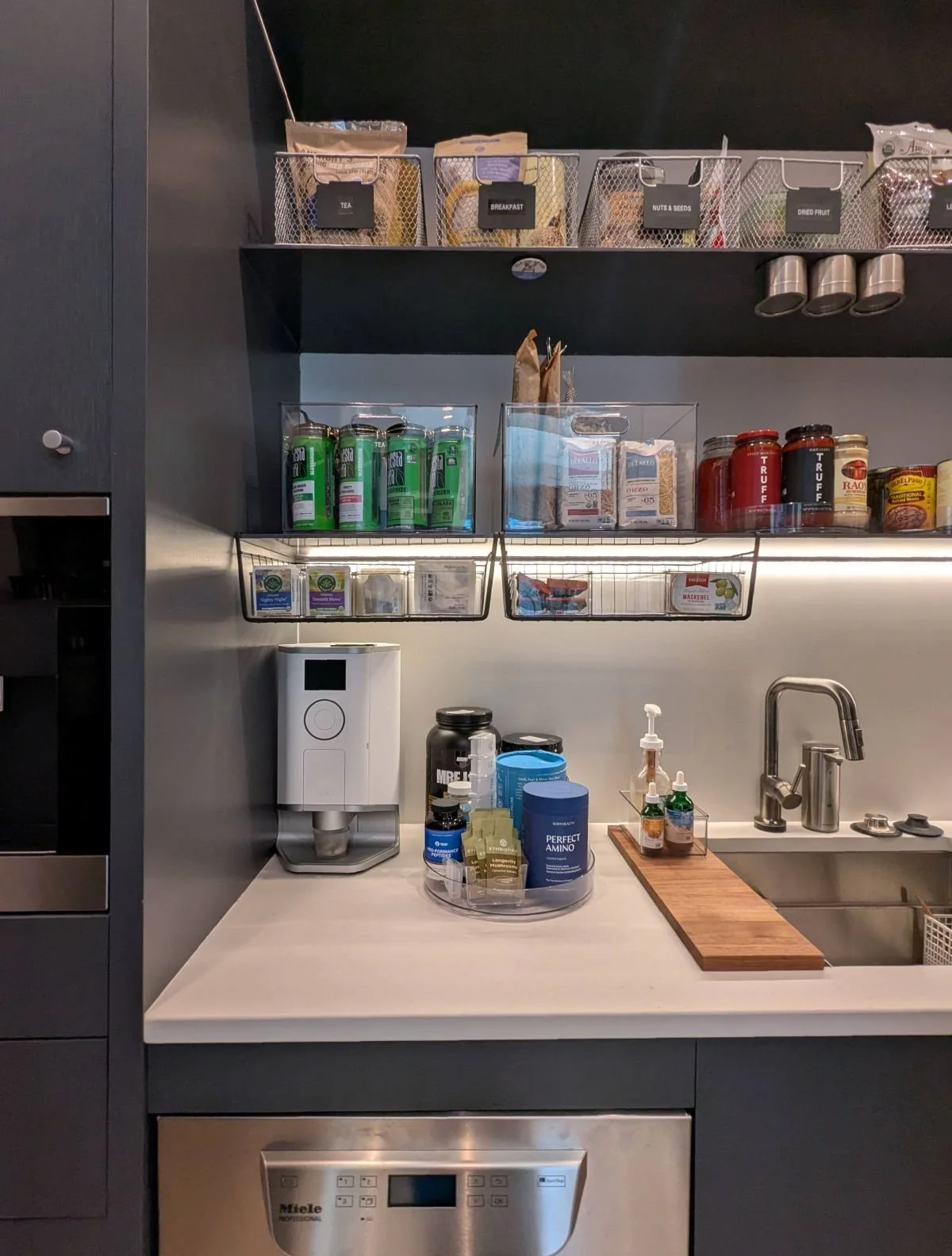
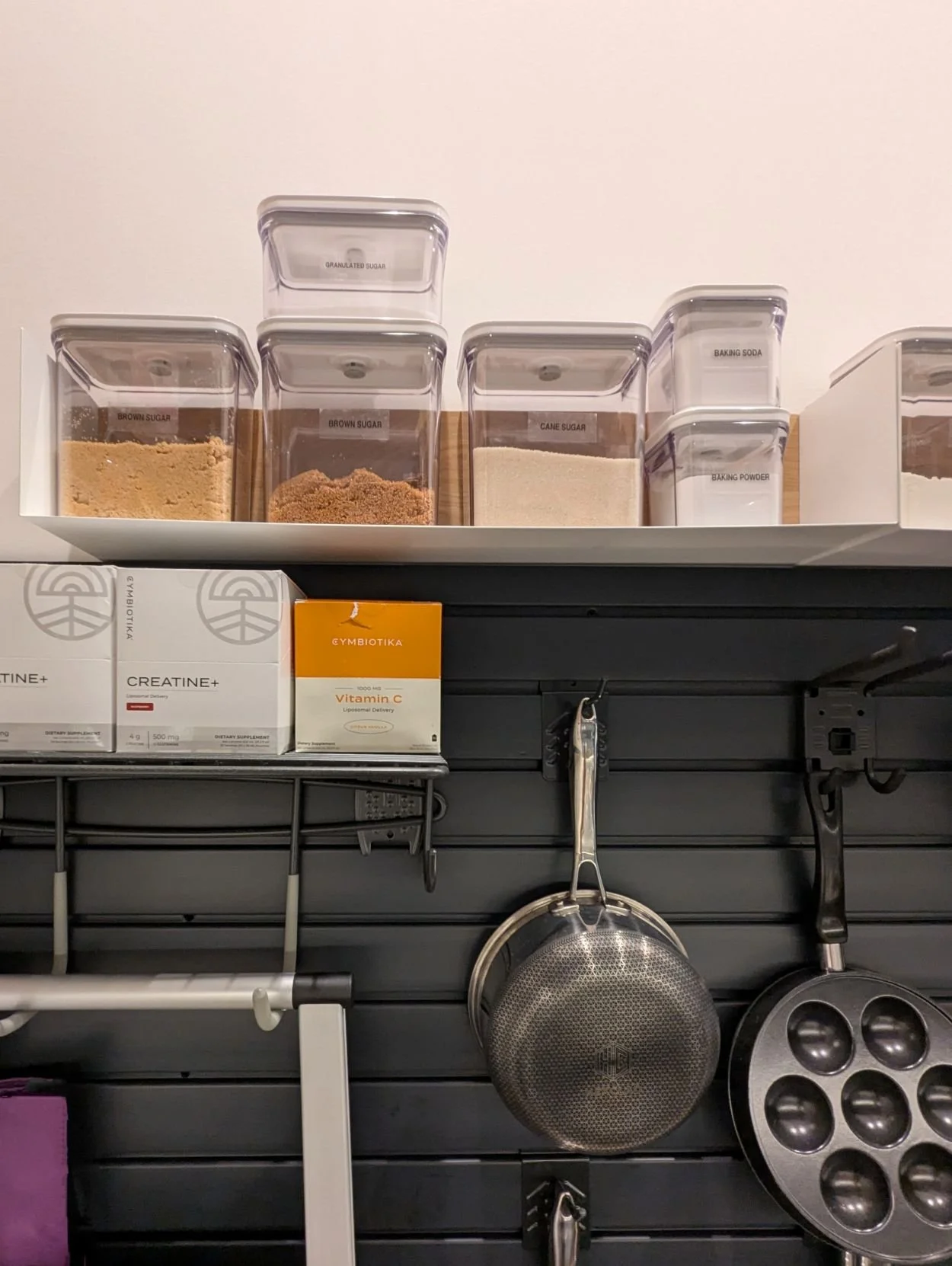
The pantry transformation was one of those moments where everything clicks. We didn’t overhaul everything, we refined it. Our organizing team grouped like-items together, added matching bins to what they already had for clear containment, we created simple visible categories and layered in just a few additional solutions. Lastly when we labeled intentionally and clearly. Not for aesthetics. Forease. So anyone using the space knows exactly where things go.
Step Three: Solving the Visibility Problem
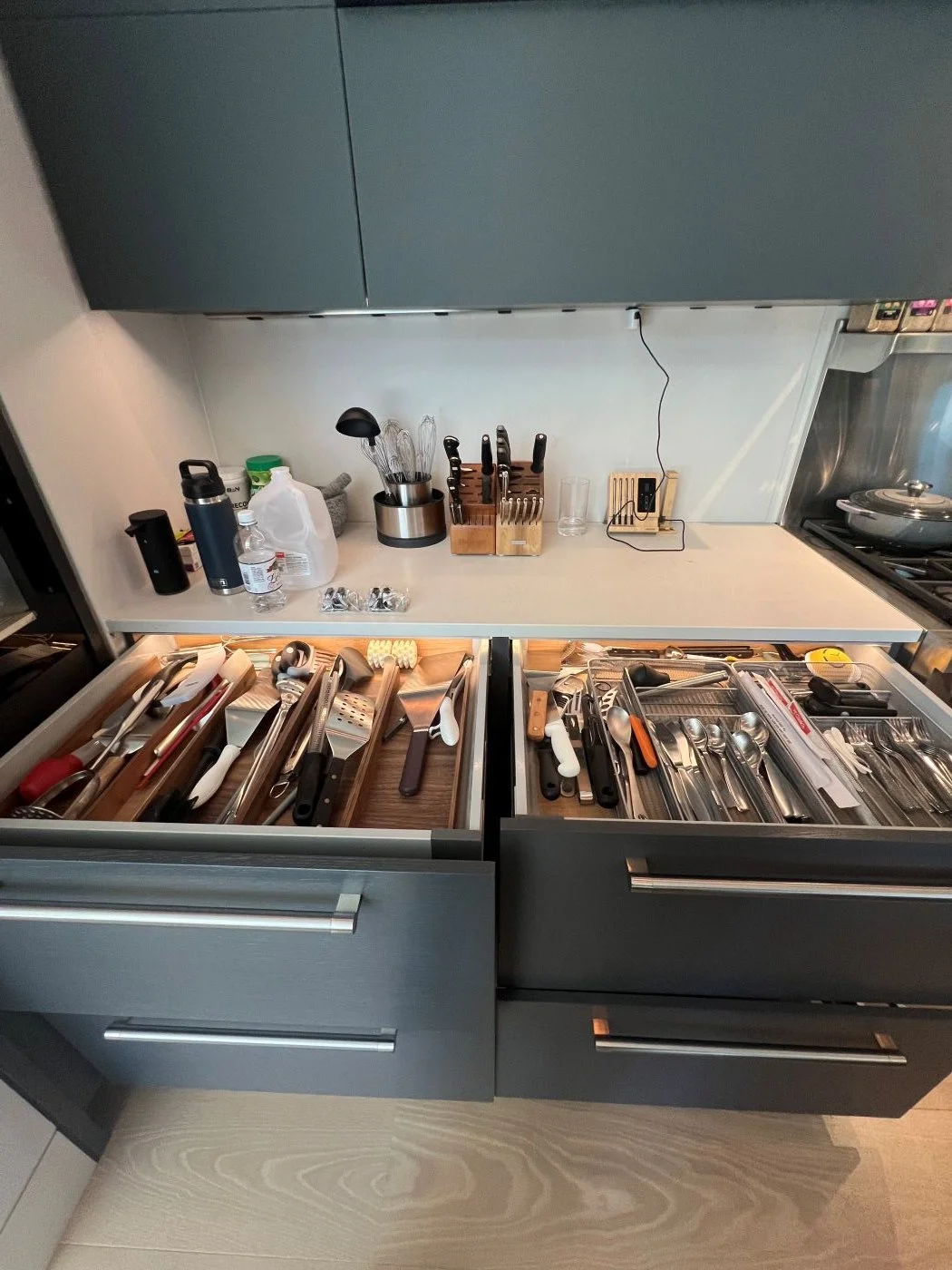
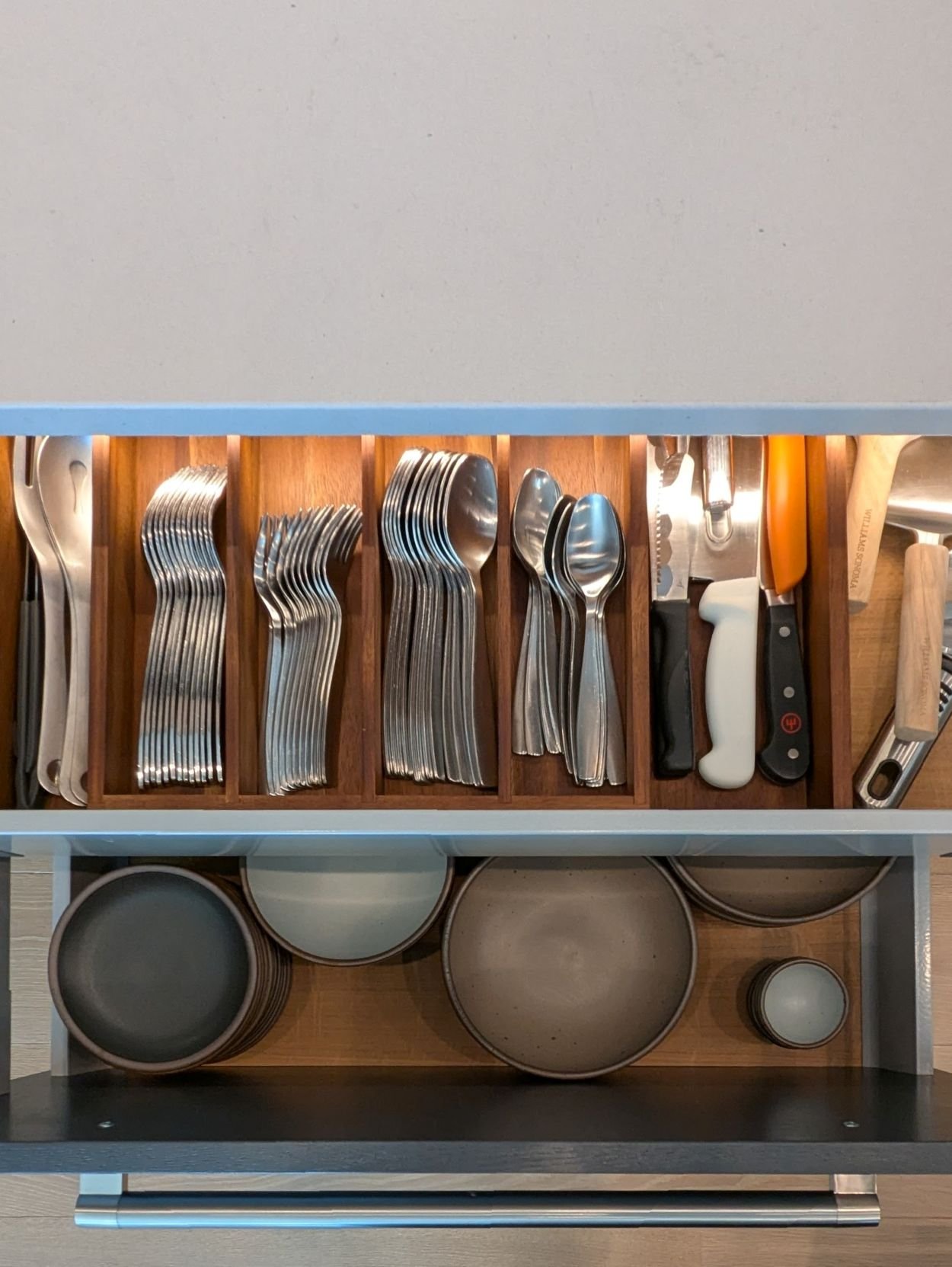
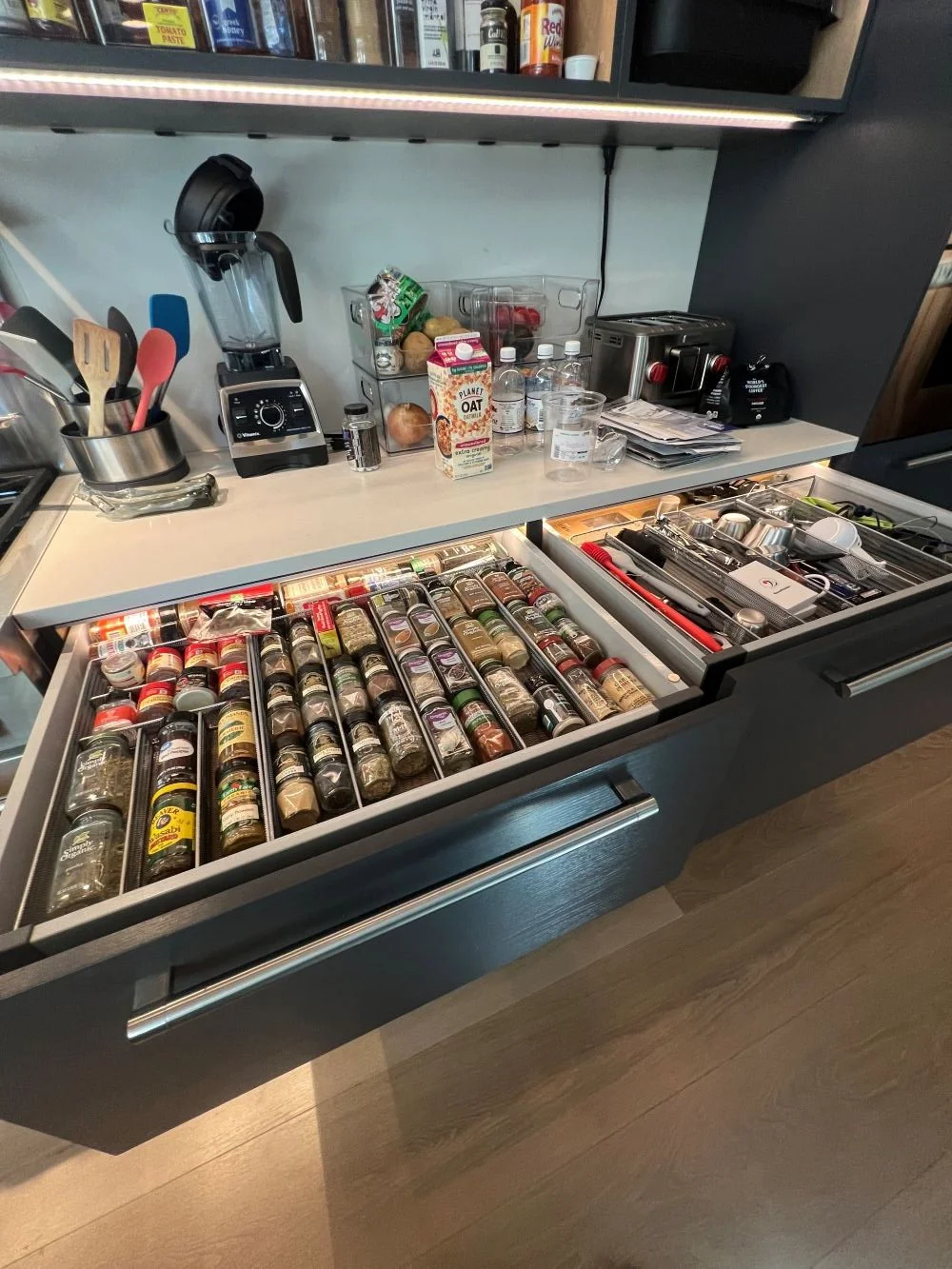
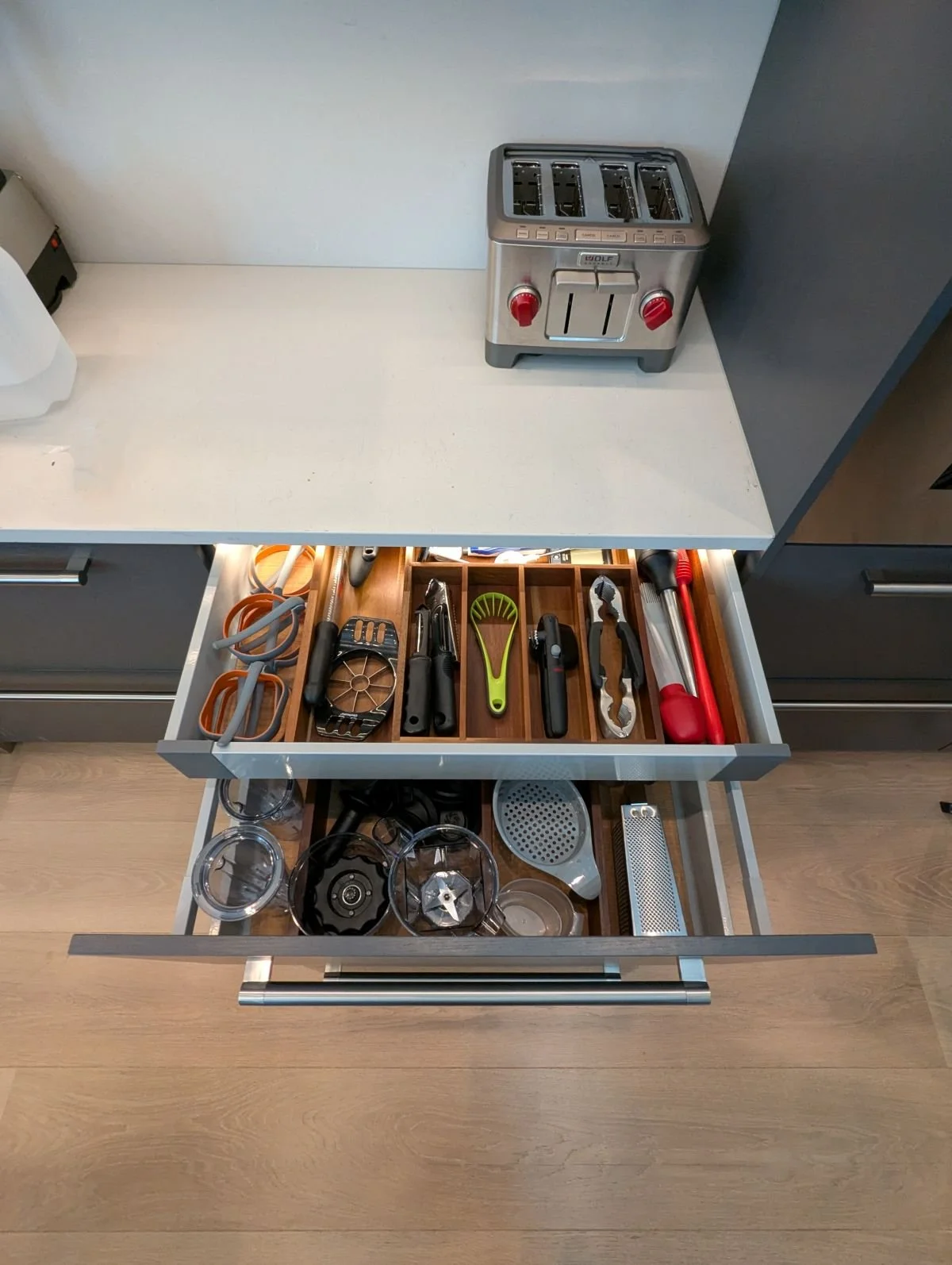
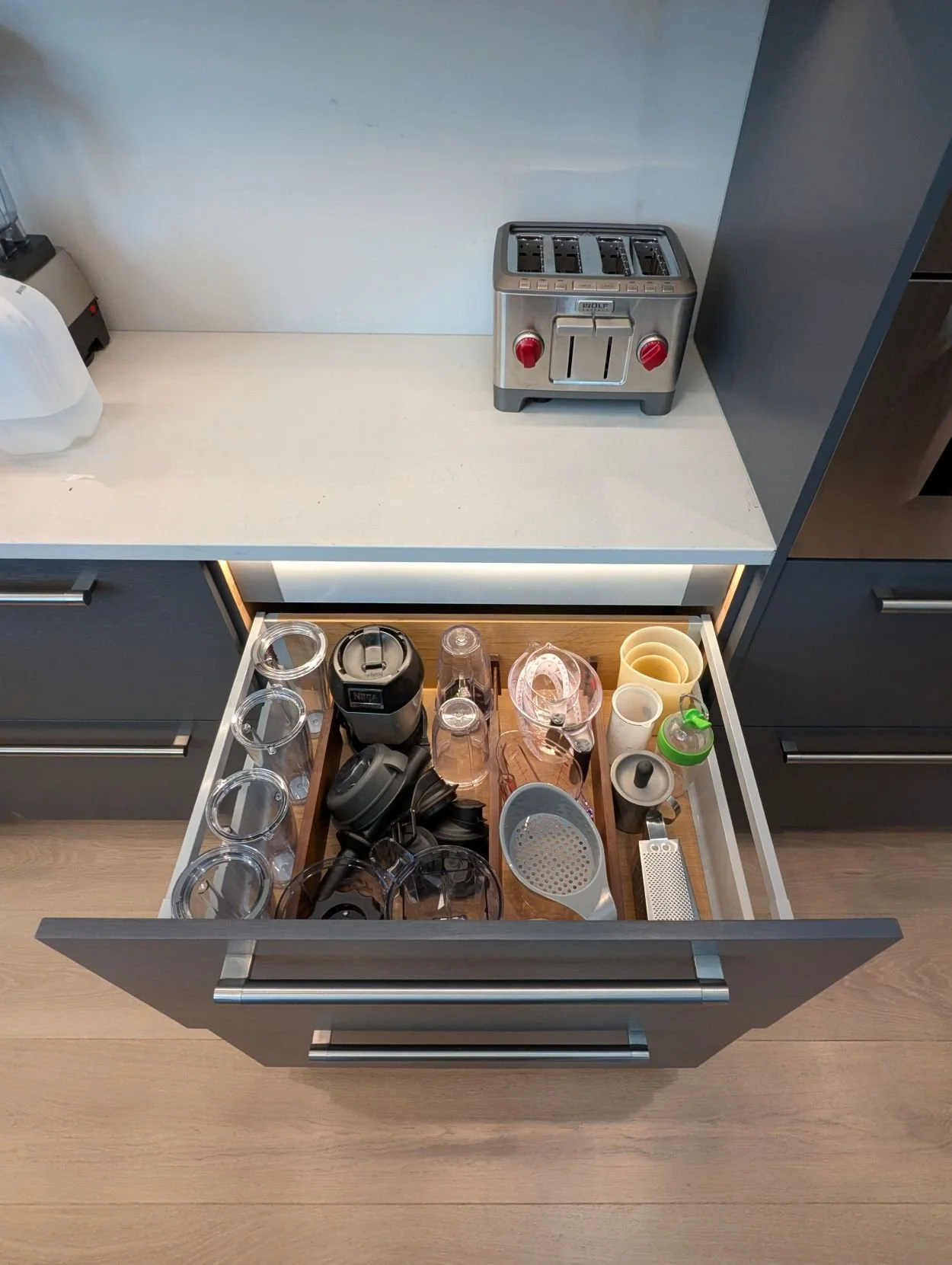
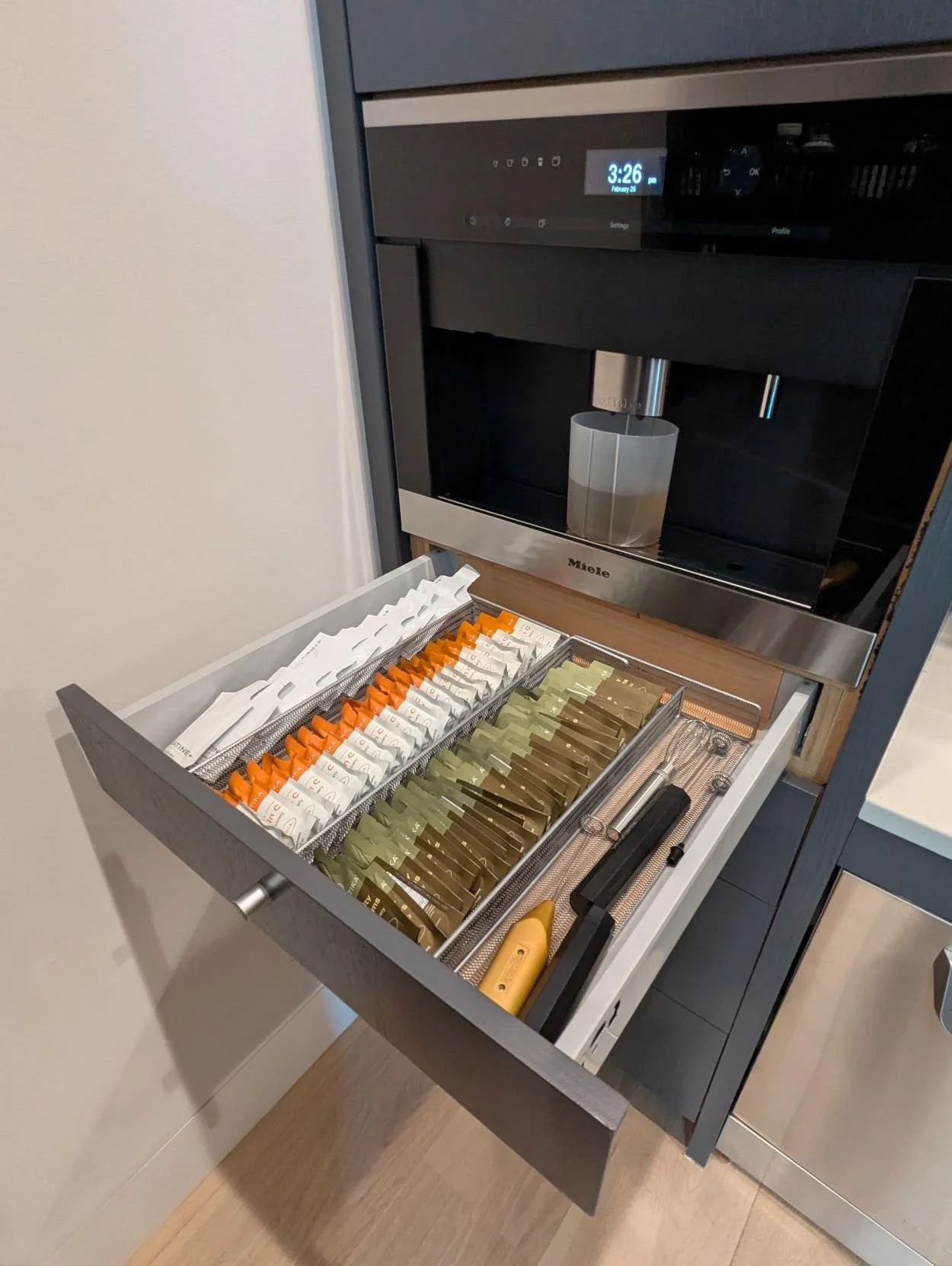
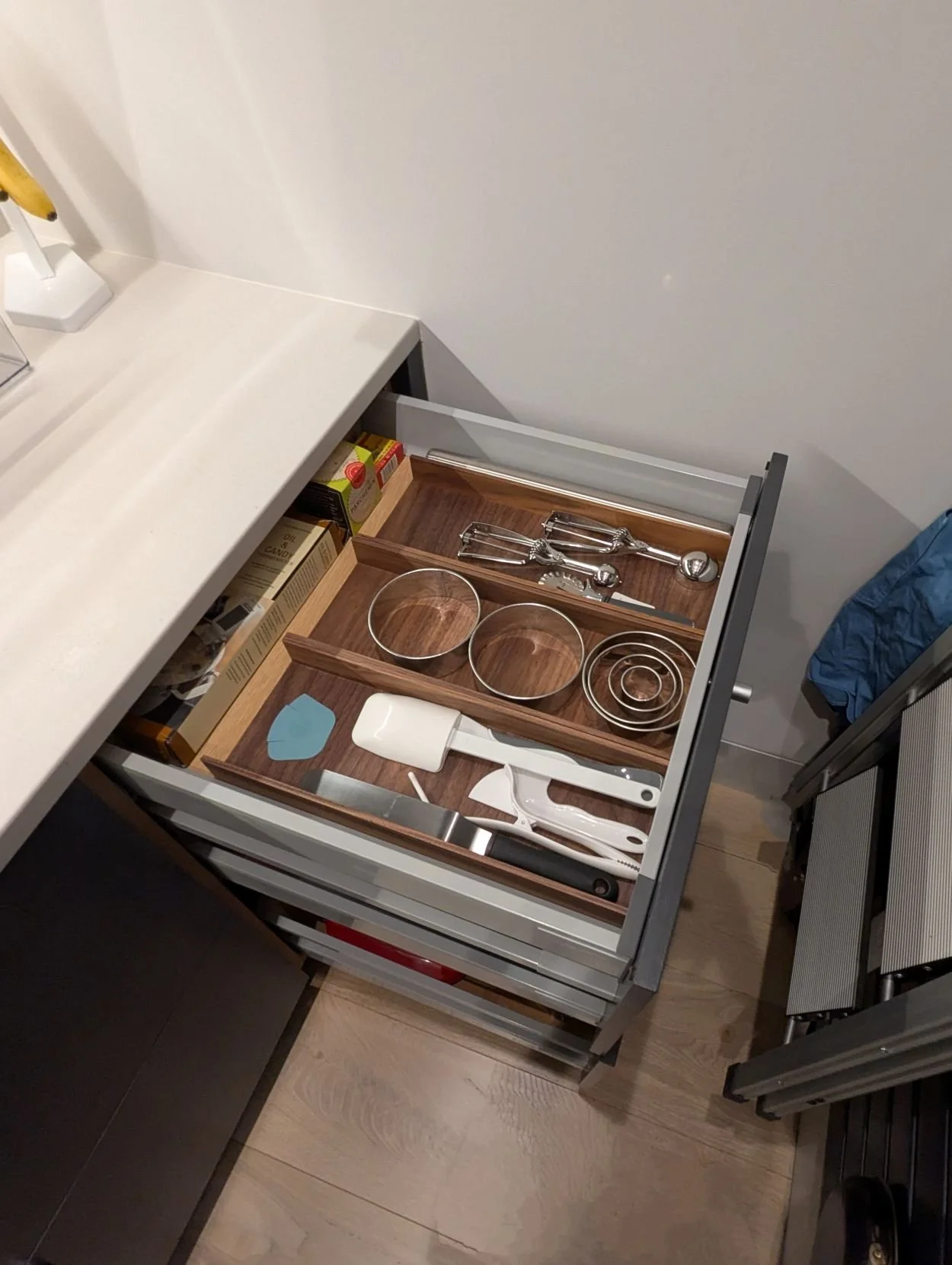
Instead of relying on leaving things out, we created visibility within the system. So now, the home owners can open a drawer or cabinet and immediately see what they have. Nothing gets lost in the back and the counters are curated. This was one of the biggest mindset shifts in the space.
The Moments That Made the Biggest Impact
Every project has those spaces where you just feel the difference. For this home, it was:
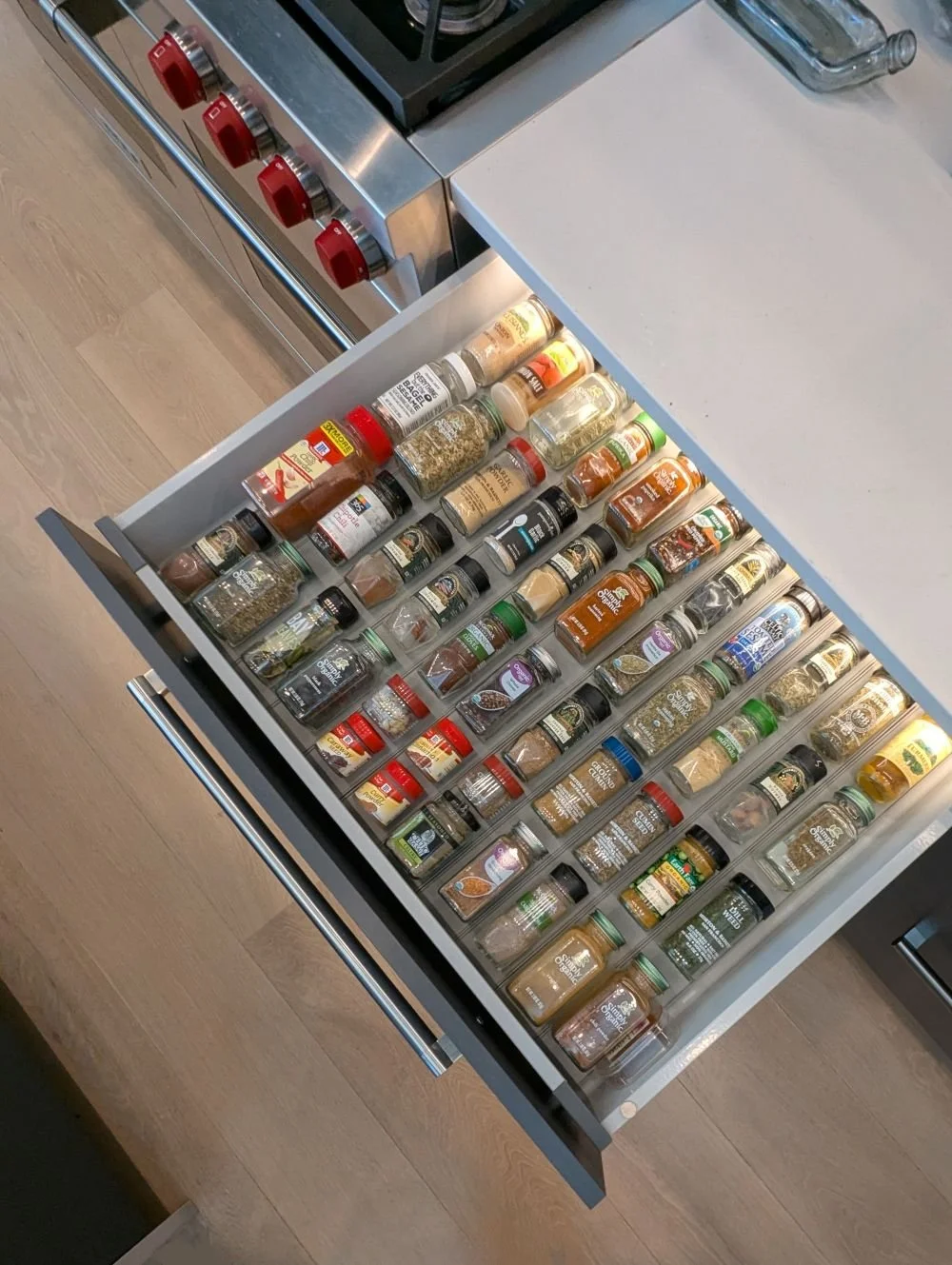
The Spice Drawer
What was once cluttered and hard to navigate became: clean, visible, and incredibly easy to use.
The Pantry Reset
From unclear to streamlined, labeled, and functional. These weren’t just satisfying visually. They made cooking faster, easier, and more enjoyable.
What Changed After Our Team Organized this Kitchen and Pantry Combo
This is the part that matters most. Not how it looks but how it feels to live in it. After the transformation, cooking became smoother and less stressful, food waste decreased because everything was visible, grocery resets became simple and quick. The kitchen finally felt like it was working with them.
“This makes cooking and entertaining so much easier now.”


Why This Matters More Than You Think
In homes like this especially here in Asheville and Biltmore Forest kitchens aren’t just functional spaces. They’re where people gather. Where meals turn into conversations. Where hosting happens naturally. But when the space isn’t working? You feel it every single day. The good news is you don’t need more space. You need a system that actually supports your life If your kitchen feels harder to use than it should be… there’s a better way. At Green Mountain Space, we create custom organizing systems designed for real life—so your home feels easier to live in, not harder to manage. Ready to reset your kitchen? Reach out to our team to get started.
In the next part of this series, we’re stepping into two of the most overlooked spaces in the home: The entryway and laundry room and how small shifts there made a big impact on daily routines. An organized kitchen isn’t about having less. It’s about making what you have easier to use. And when that happens? Life at home starts to feel a whole lot lighter.
Stay Connected