The Best Simple Organizing Systems for ADHD & Neurodivergent Brains
If you’ve ever Googled “best organizing systems for ADHD” and felt overwhelmed by all the options, you’re not alone — even professionals struggle with this. Systems that work for one brain might fall apart for another. What really works is organization that honors how a neurodivergent brain actually functions, not how we wish it would. In this blog, we’ll explore simple, research-supported strategies that help reduce overwhelm, honor real behavior, and create organization systems people use — not abandon. We’ll weave in findings from experts and lived experience, and reference the quarterly membership case study we shared earlier, where we reset systems quarterly to match life, not perfection.
You can read that full case study here: How Quarterly Home Organization Supports Busy Families Managing ADHD
The Organizing Struggle Is Real — But Not Personal
Here’s a story that might feel familiar: A client named Emma invited us into her home. She’d tried planner apps, Pinterest boards, color-coded bins, and weekly to-do lists. None stuck. There were piles on counters with good intentions — mountain of mail, kid artwork, business paperwork, receipts. No matter how pretty the system, it petered out, and the piles always returned.
We finally saw the pattern — it wasn’t lack of effort. Her brain was wired to notice the pile and avoid the task that felt bigger than its parts. That’s when the real work began: designing systems that worked with her brain — not against it. The Reset Company
What Makes a System “ADHD-Friendly”?
Before we dive into specific systems, let’s define what “ADHD-friendly” means in practice.
Neurodivergent brains tend to:
Prefer visual cues over hidden systems (out of sight = out of mind)
Struggle with time perception and prioritizing tasks
Lose momentum when tasks feel endless or vague
Respond better to external structure than self-discipline alone Elevating Minds Psychiatry+1
So the question isn’t what’s the most beautiful organization solution? — it’s what gets used — and reused — by the brain in front of us?
Make It Visible: Out of Sight Is Truly Out of Mind
One of the simplest yet most powerful principles for ADHD brains is visibility. When you see what you have and where it belongs, your brain doesn’t have to remember it.
Try:
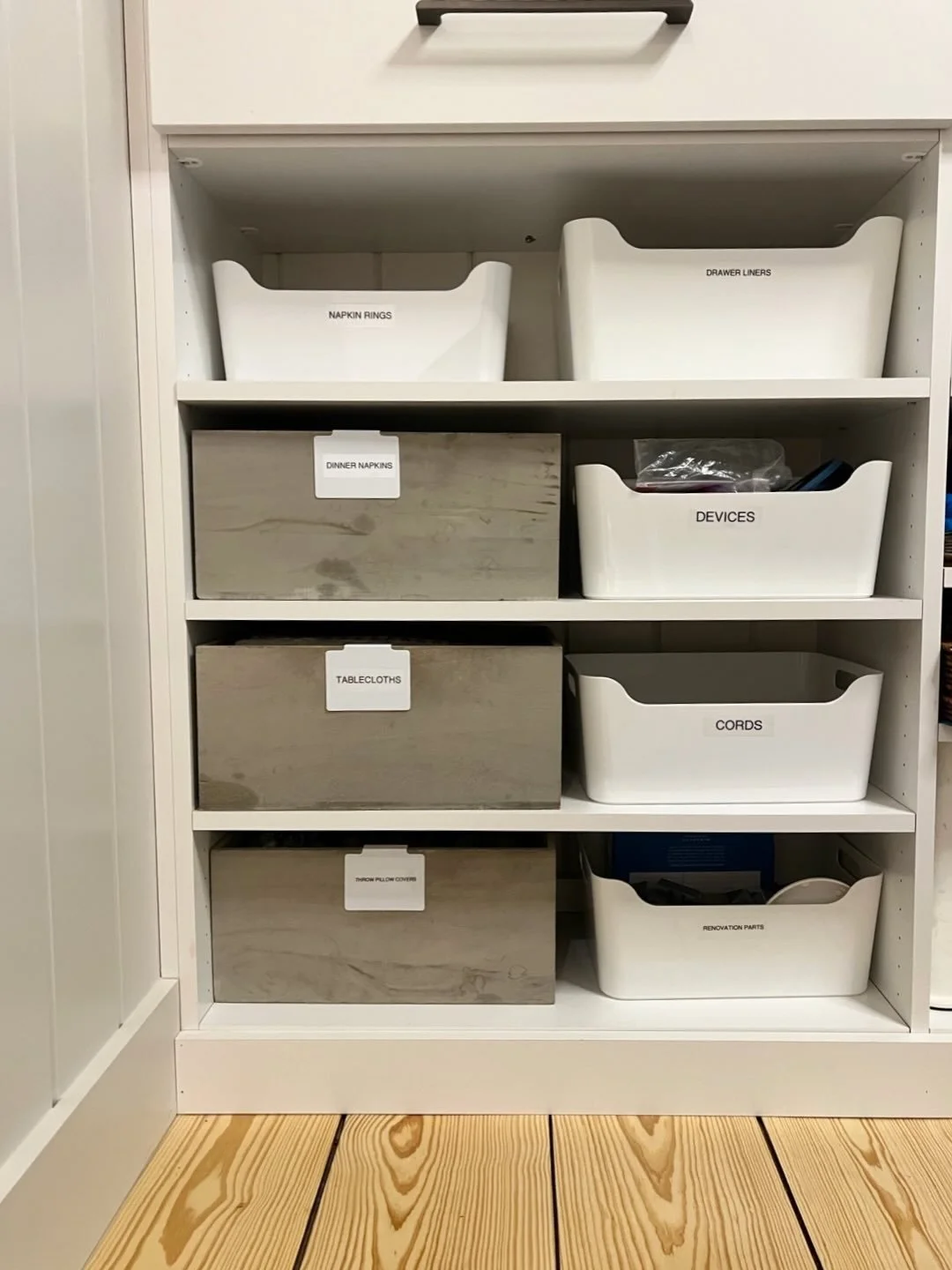
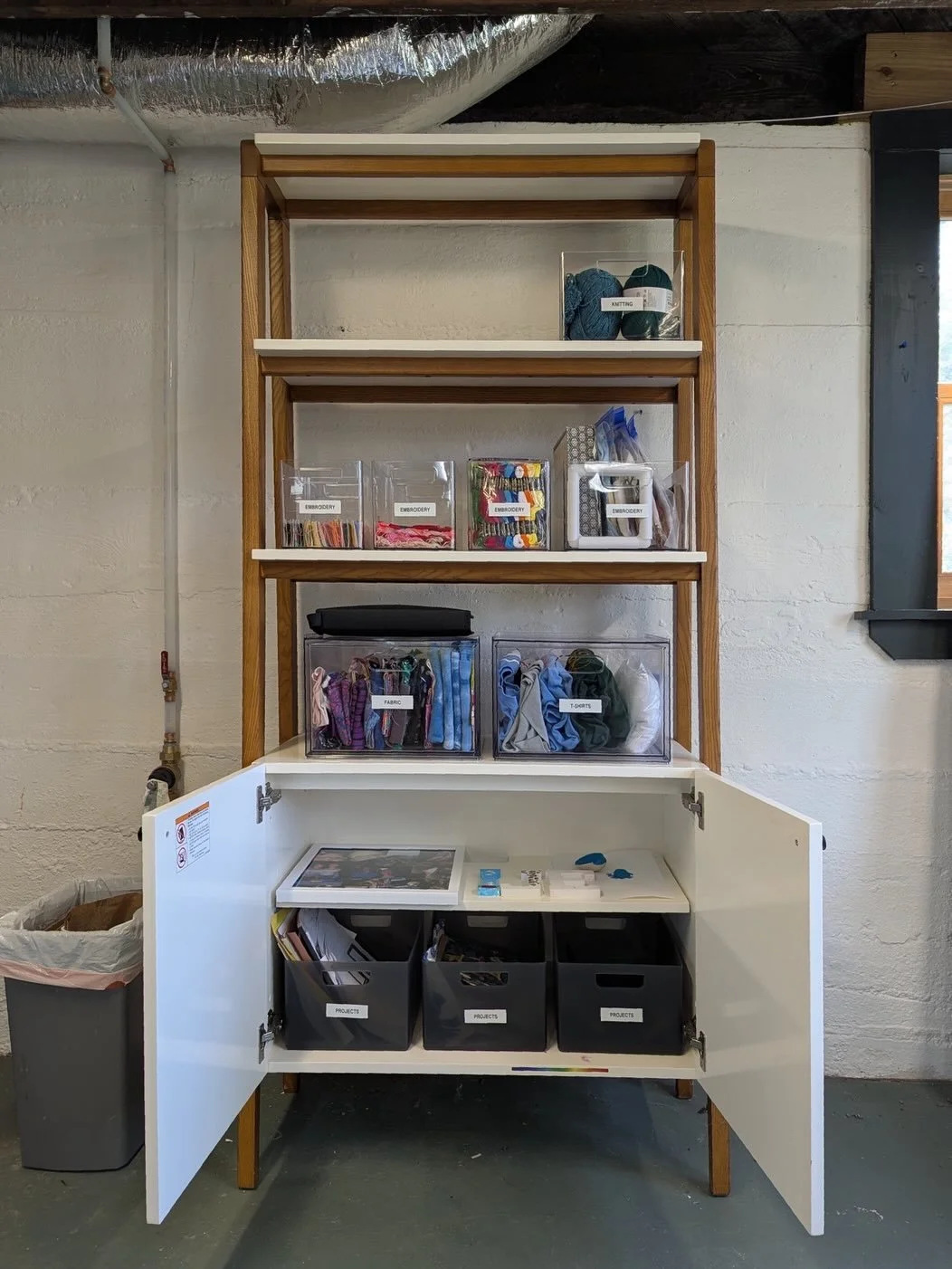
Clear bins and open baskets
Hooks instead of drawers where possible
Wall pegboards for things you use often
“Clear storage helps your brain see categories without needing to recall them from memory.” Source: The Lighter Home
This approach works beautifully in real life. In our quarterly reset case study, we often swap out closed storage for visually open systems because they reduce the “out of sight, out of mind” effect that leads to piles. (That case study linked earlier shows how this looks in action on actual spaces like counters and paper zones.)
Drop Zones Are Non-Negotiable
Drop zones are specific places where things land intentionally — especially for items that frequently travel through your home.
Notice patterns first:
Where does the mail get laid down?
Where do backpacks unload?
Where does your phone usually wind up?
Once you identify these natural landing spots, design the system there.
For example:
A basket by the door for mail + keys
A tray for work stuff that gets moved daily
A bin in the living room where kid items often land
“Designing near actual behavior — not ideal behavior — is a key principle for neurodivergent minds.” Flourish & Focus ADHD Services
Timers Turn Tasks Into Startable Things
If there’s one thing ADHD brains dislike, it’s an open-ended task.
A timer changes the story from:
“Ugh, I have to clean this entire counter…”
to
“Okay — I’ll do 10 minutes.”
And that shift matters. You might already know this as the Pomodoro Technique (short bursts of work followed by breaks). For ADHD brains, the timer helps with focus, motivation, and completion because it creates structure without rigidity. Source: Tiimo
We often suggest:
10–15 minute mini-sprints
Celebrate or pause when timer ends
Restart if you feel up to it — or walk away guilt-free
Start where you can, not where you think you should.
Labels That Eliminate Guesswork
Labels are more than pretty words on bins — they remove the question:
“Where does this go?”
That question alone can paralyze neurodivergent brains.
Whether you use:
Printed labels
Color-coded tags
Picture labels (for visual thinkers)
Labels help eliminate decision fatigue — something ADHD brains are notoriously sensitive to. The Reset Company
In spaces where multiple family members interact — think kitchen counters or toy shelves — clear labeling keeps systems usable by everyone.
Body Doubling: The Social Focus Boost
This one comes straight from lived experience and supported productivity strategy: body doubling. Simply put, doing a task while someone else is with you — physically or virtually — instantly boosts focus and follow-through. ADD.org This doesn’t mean your partner has to help — they just need to be there while you work. Sounds simple, but it works.
Try:
A friend on Zoom while you tidy
A partner in the room while you sort mail
A paid professional organizer (hello! 🤍) scheduling check-in moments
In our quarterly resets, body doubling often happens naturally — we work alongside our clients so that tasks feel shorter and more achievable.
Zone Your Home Around Real Behavior
Traditional organization strategies focus on rooms — but for ADHD and neurodivergent brains, keeping by function works better:
Instead of:
“Clean the kitchen at 9 AM every day”
Try:“Everything that enters the home goes to the launch pad area first”
Or:
“Put office supplies in the desk drawer”
Try:“Keep basic supplies in view in your workspace, and extras in a drawer”
This reduces friction between how you think you’ll use the space and how you actually do. Flourish & Focus ADHD Services
Small Storage for Big Wins
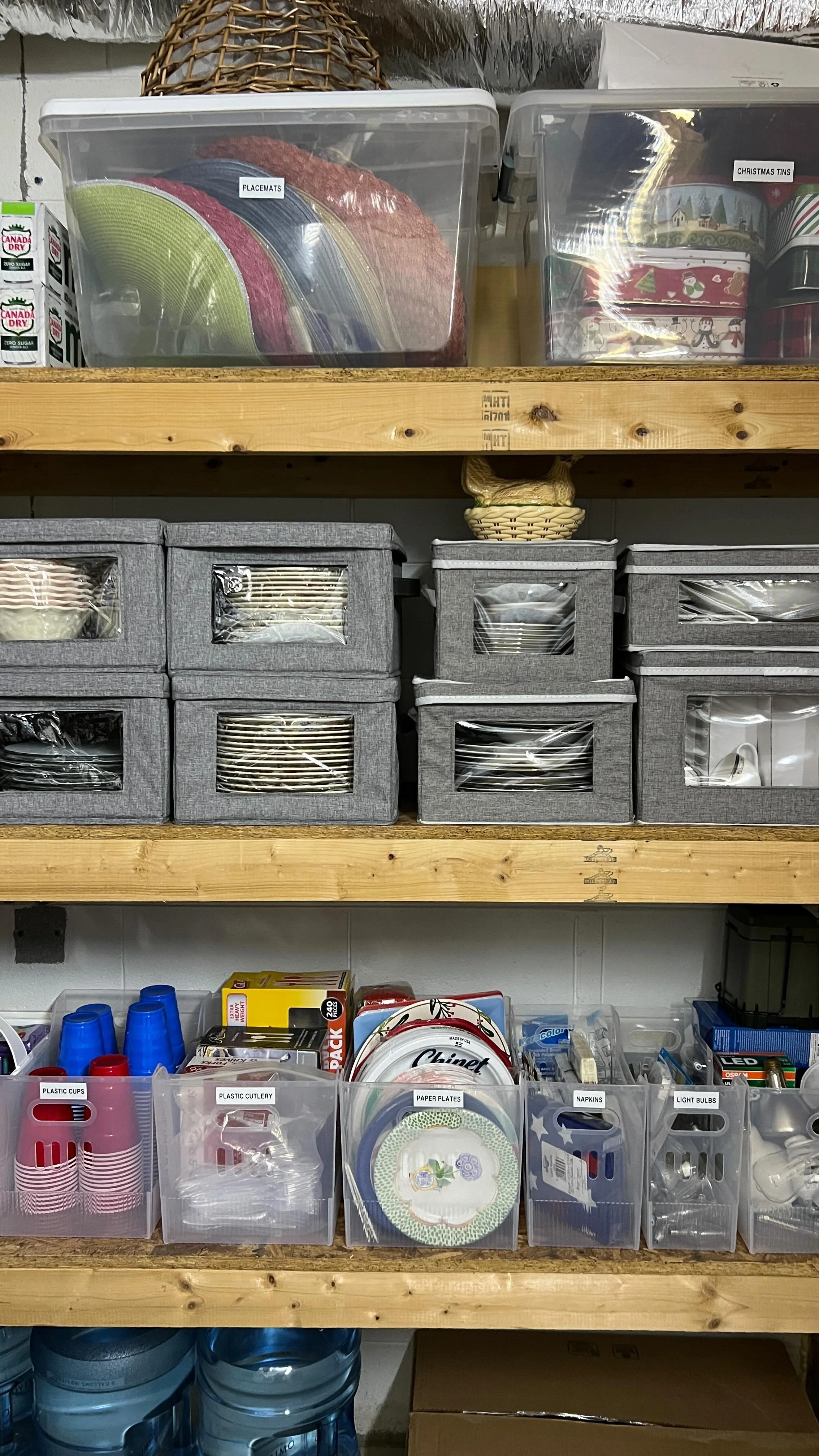
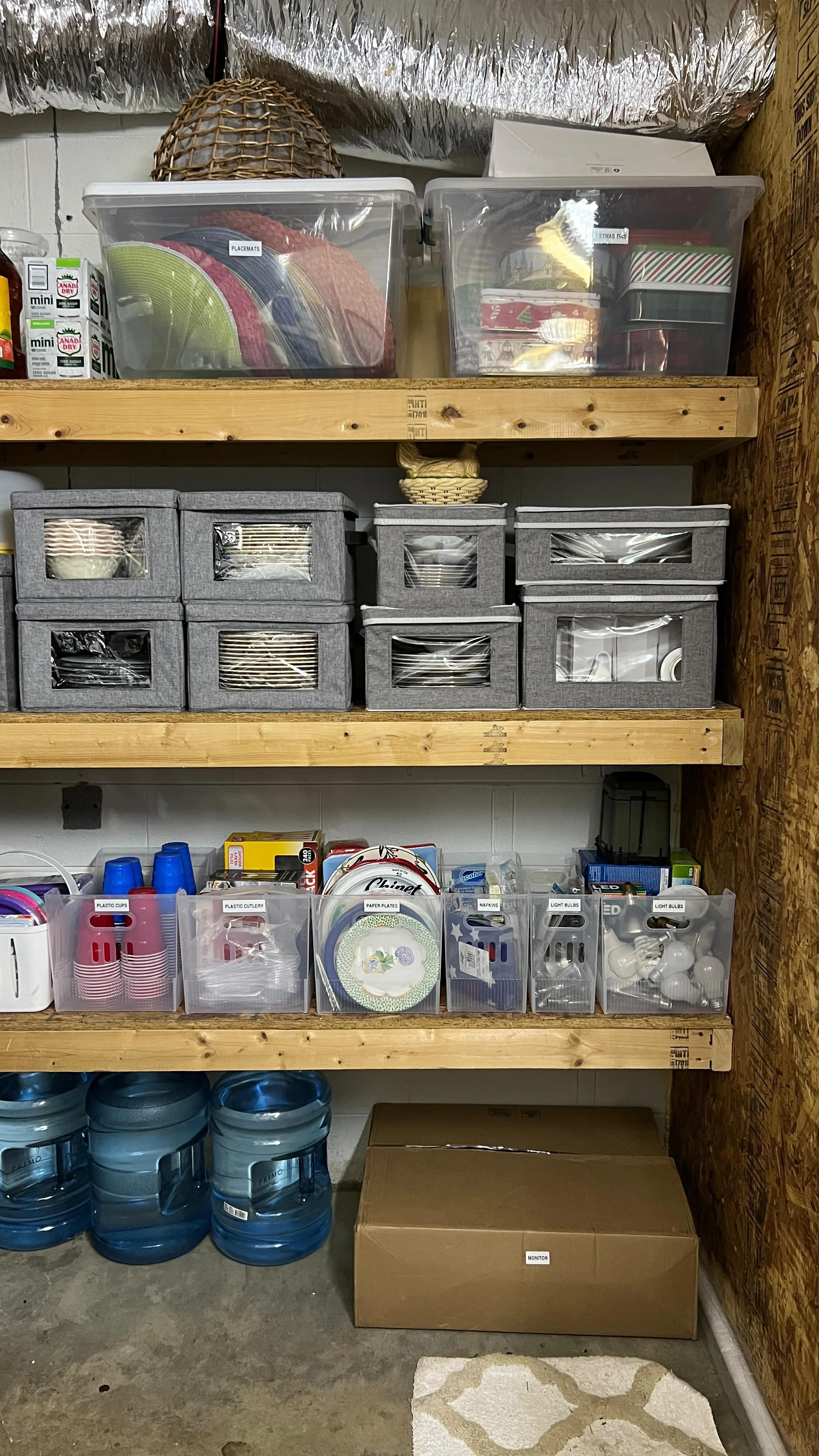
Large storage spaces can quickly become chaotic when you try to put everything in them. Small, labeled storage feels more manageable than large bins where items disappear into the void. This simple tweak helps ADHD brains track what’s where — without guesswork. Tiimo
Instead:
Use smaller containers within bigger zones
Assign a home for each category
Make the “put-away” step simple
Keep It Flexible & Evolve with Life
Here’s one principle the research echoes: systems need to adapt as situations change. “Rigid systems often fail because they don’t match shifting routines or priorities.” Elevating Minds Psychiatry That’s why your quarterly membership model works so well — you revisit, refine, and redesign based on what’s actually happening in the home, not what worked six months ago.
Systems become living, not static.
Small Wins Build Confidence (Seriously)
One of the most surprising tips we see again and again in neurodivergent spaces is this:
Celebrate the small wins. Every action matters. “Small wins build confidence and neural momentum — and the brain rewards progress, not perfection.” Elevating Minds Psychiatry
Even:
Clearing one shelf
Sorting one drawer
Setting a timer and starting
Organization Isn’t a One-Size-Fits-All Journey
There’s no single “magic system” that works for every brain — especially for ADHD and neurodivergent households. What does work are principles consistently supported by ADHD clinicians, productivity researchers, and organizing professionals who specialize in neurodivergent support. These approaches don’t demand perfection; they reduce friction.
Visibility matters.
ADHD brains rely heavily on visual cues. When items are out of sight, they’re often out of mind — not due to carelessness, but because working memory functions differently. ADHD-focused organizing experts frequently recommend open or transparent storage to reduce cognitive load and improve follow-through. This is why clear bins, open shelving, and visible zones tend to outperform hidden systems for neurodivergent households.
Source: The Lighter Home – ADHD-friendly organizing strategies
Drop zones work best when they match real life.
One of the most common reasons organizing systems fail is because they’re designed around ideal behavior instead of real behavior. ADHD coaches and organizers emphasize building systems where items naturally land — not where they’re “supposed” to go. Designing drop zones based on actual movement patterns reduces friction and prevents piles from spreading. Source: Flourish & Focus ADHD Services – Organizing strategies for busy ADHD households
Timers make starting easier.
Task initiation is a well-documented challenge for people with ADHD. Open-ended tasks can feel overwhelming, even when they’re small. Time-boxing strategies — like setting a 10–15 minute timer — are supported by ADHD productivity research because they create structure without pressure. The brain isn’t committing to finishing the task, just starting it. Source: Tiimo – ADHD planning and executive function strategies
Labels remove unnecessary decisions.
Decision fatigue disproportionately impacts ADHD brains. Every extra question — Where does this go? — increases the likelihood of avoidance. Labeling systems reduce the number of decisions required to maintain order, making systems easier to use consistently for everyone in the household. Source: The Reset Company – ADHD-friendly organizing principles
Body doubling lowers the barrier to action.
Body doubling — completing tasks alongside another person — is a widely recognized ADHD support strategy. The presence of someone else (physically or virtually) increases focus and accountability without requiring direct assistance. It’s one of the simplest forms of external structure for ADHD. Source: ADD.org - The ADHD Body Doubling: A Unique Tool for Getting Things Done
Smaller storage creates bigger wins.
Large, undefined storage areas can quickly become overwhelming for ADHD brains. Research and ADHD-focused organizing professionals recommend breaking storage into smaller, clearly defined containers. Smaller categories reduce visual overwhelm and make the “put-away” step feel achievable instead of intimidating. Source: Tiimo – ADHD organization and task completion research
Together, these principles create systems that work with neurodivergent brains, not against them — flexible, forgiving systems that support real life.
Real Transformation Comes with Support
If you’ve ever tried systems that look amazing on Instagram but fallen off them in real life, know this: You’re not failing — the systems are simply not built for your brain’s wiring. That’s exactly why we built our Quarterly Membership — to provide intentional resets that honor ADHD patterns and evolve with your life:
Systems that adapt, not systems you have to chase.
We shared a real example of this in our case study earlier — how quarterly resets helped a busy household manage “ADHD piles” without overwhelm. If you haven’t read it yet, check it out here: How Quarterly Home Organization Supports Busy Families Managing ADHD . It’s a great illustration of these principles meeting real life.
Start Where You Are
There’s no perfect date to begin. There’s now.
Start with one small tweak:
Add a basket for the daily drop zone
Set a 10-minute timer today
Label one counter bin
Simple systems that work with your brain are not only possible — they’re sustainable. If you want help building them — especially in ways that stick — we’d love to support you. Want help designing ADHD-friendly systems in your home? Let’s talk about how a Quarterly Organization Reset can shift your space — and your life.
Read our latest Case Study on how our Asheville Organizers help manage the ADHD piles of a busy family.
Last updated on January 12, 2026 by Jess Reed
Stay Connected with us on Instagram